How to transform
a vintage 1980s
figurine into an
AR Pop-Up Card…
I got my first miniature, a thumb-sized Disneyland castle, when I was six. Two decades later I discovered old gashopon at a Japanese toy store before devolving into blind box addiction. It’s no surprise because figurines have been popular for the last four thousand years. Using this atavism, I transformed a 1986 Betty Boop figurine made for one audience into an AR pop-up card for another.
Using the "how might we" statement as flexed through a grid combining trends and figurine attributes, I leveraged those, trend insights and audience problems to create an entirely new product while maintaining the essence of the figurine.
Well, there were lots of steps in between, but the depth of design research performed was extensive, and equally enjoyable. From here, I’d like to see how this framework can be used to transform strategy, not just products.
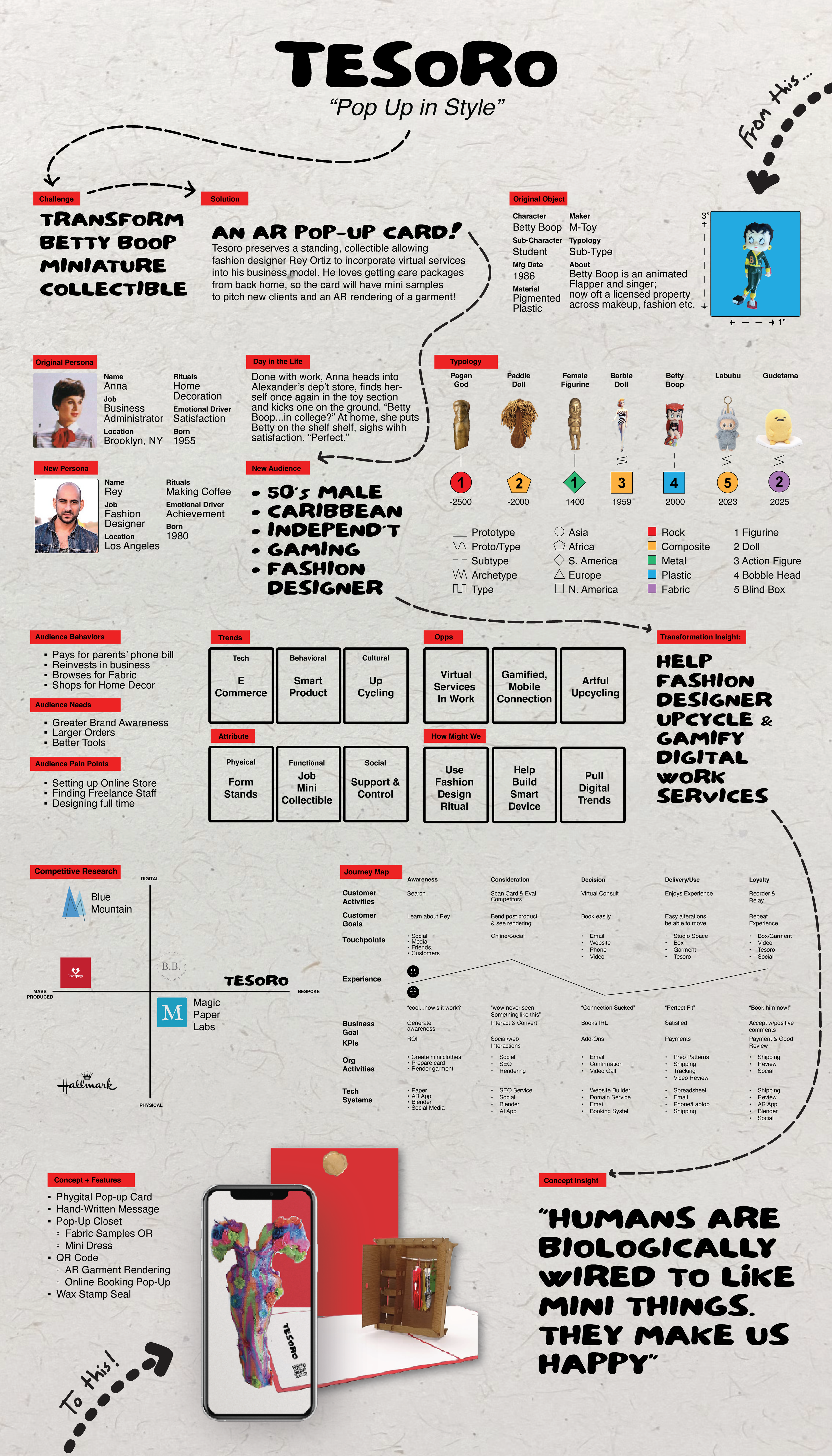
Final Project Poster
What needs or problems does this figurine solve?
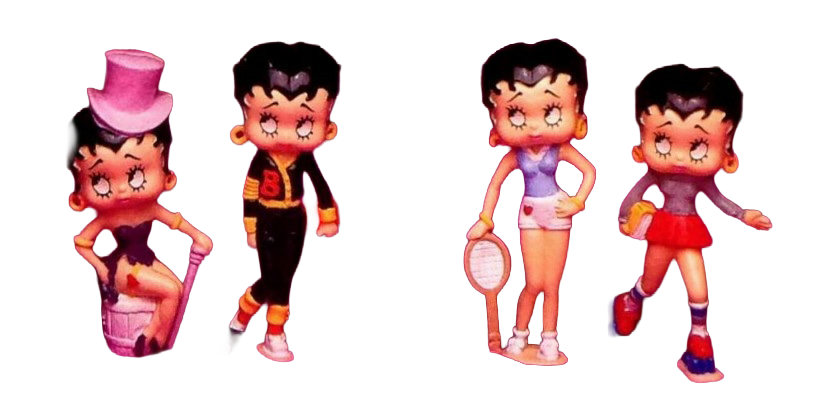
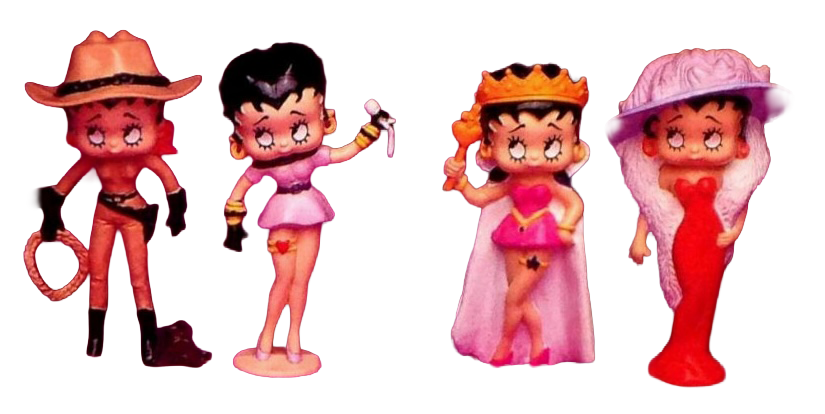
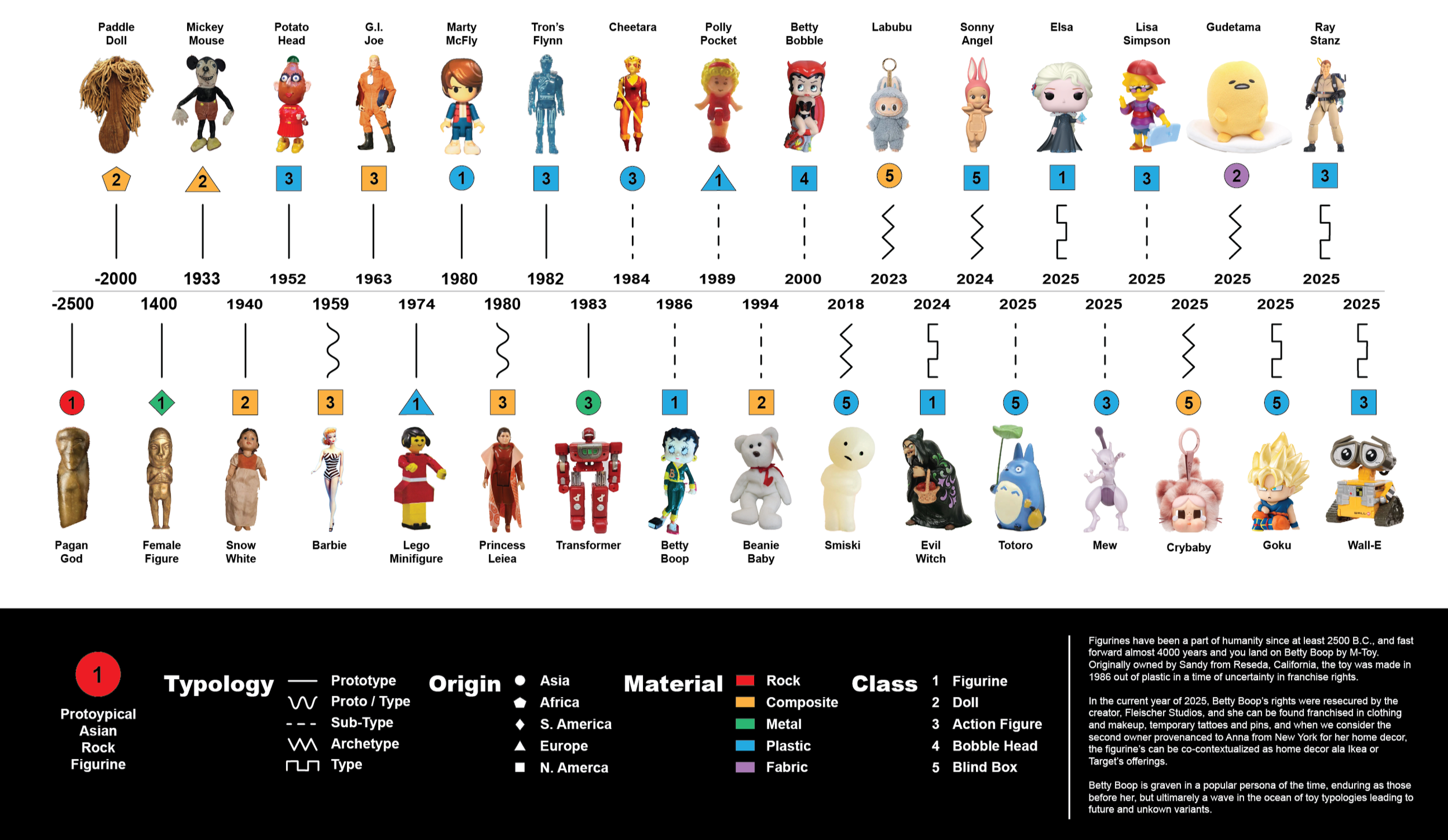
First, I analyzed the 1986 Betty Boop figurine I found at the Rose Bowl flea market, described its physical properties and manufacturing, and then created a catalog of like objects spanning the gamut of toys, figurines, action figures and blind boxes across five thousand years of history.
I also wrote a story trying to get into my target audience’s head, thinking about emotional drivers surrounding the Betty Boop figurine.
Then I investigated my target audience through relevant statistics, demographics, market data, and behavioral insights. Not just for what it “does”, but how it makes someone feel.
I then completed a competitive audit, as seen in the section below, of brands using licensed properties. Logging everything from logos, colors, webpages and merchandise, this exercise helped me understand how licenses interact with different types of products.
With all these pieces in hand, it was time to create an infographic to better understand where my figurine fell in line with my typology studies. Sitting squarely in the middle, I was getting the idea that miniature collectibles have been popular for a while, thousands of years to be exact.
What emotions
and feelings does
it elicit from its
design target?
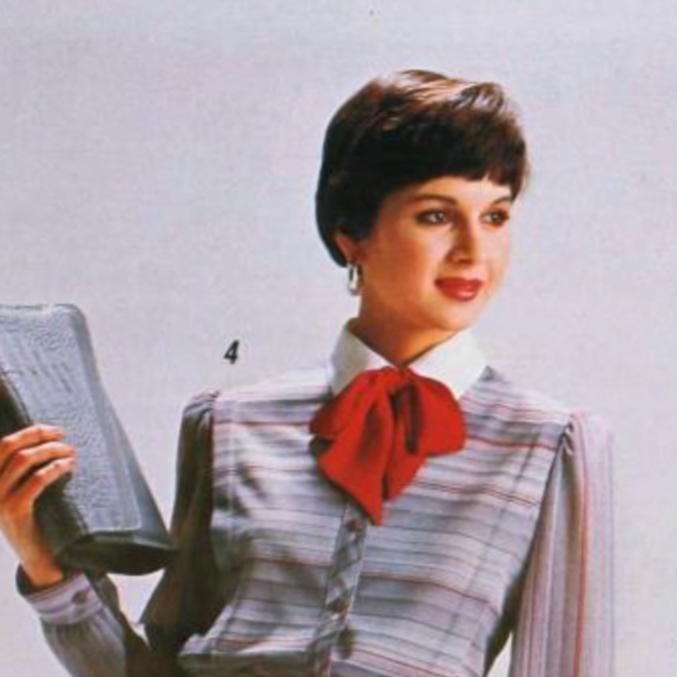
3×1” Collegiate Betty Boop Figurine

Original
Target
Audience
Anna
Pain Point: commute, cost of living, splitting time
About: Anna was born and raised in Brooklyn, N.Y. and used to be taken into Manhattan on the weekends in the winter, and Coney Island in the summer. She works in the city but likes Queens because it's a quieter pace of life, and she is able to get a bigger apartment there. While she dates periodically, she's not looking to start a family and likes going out with her girlfriends or staying in to watch T.V.
Age 31
Gender Female
Ethnicity Caucasian
Income 22K
Education B.A. Business
Marital Status Single
Occupation
AdministratorResides
Queens, NYBehaviors Reading on train, taking in lunch, social outings Friday, family time Sunday, self-care Sundays.
Hobbies Watching TV, designing home, time with friend
Demographics
Life goals Life-long independence, learn a 3rd language
Values Independence, quality time, work-life balance
Problem solved by figurine Affordable object that fits decor and gives satisfaction from independence of cartoon persona
Need for object Wasn’t allowed “non-useful” objects as child
Point of purchase Heading home from work and seeing old toy store closing
Psychographics
How are current companies using licensed goods?

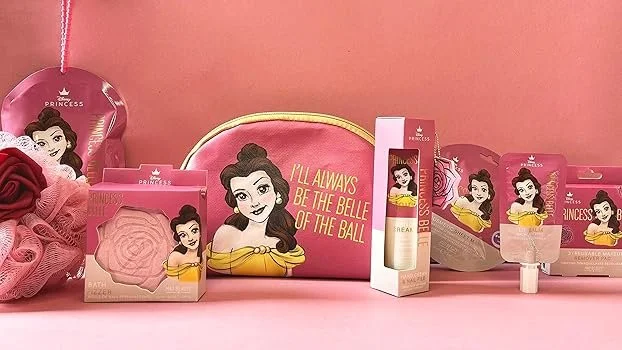
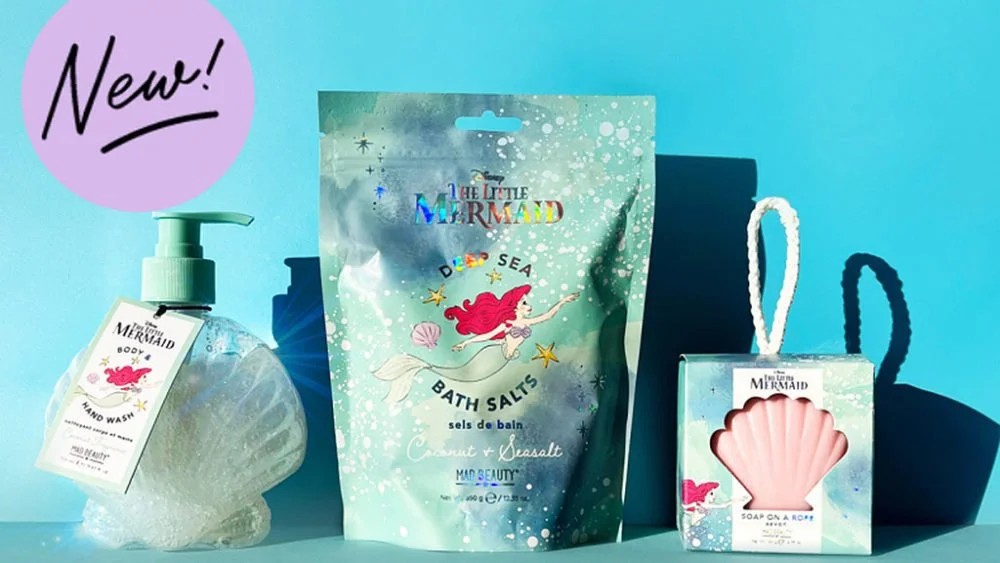
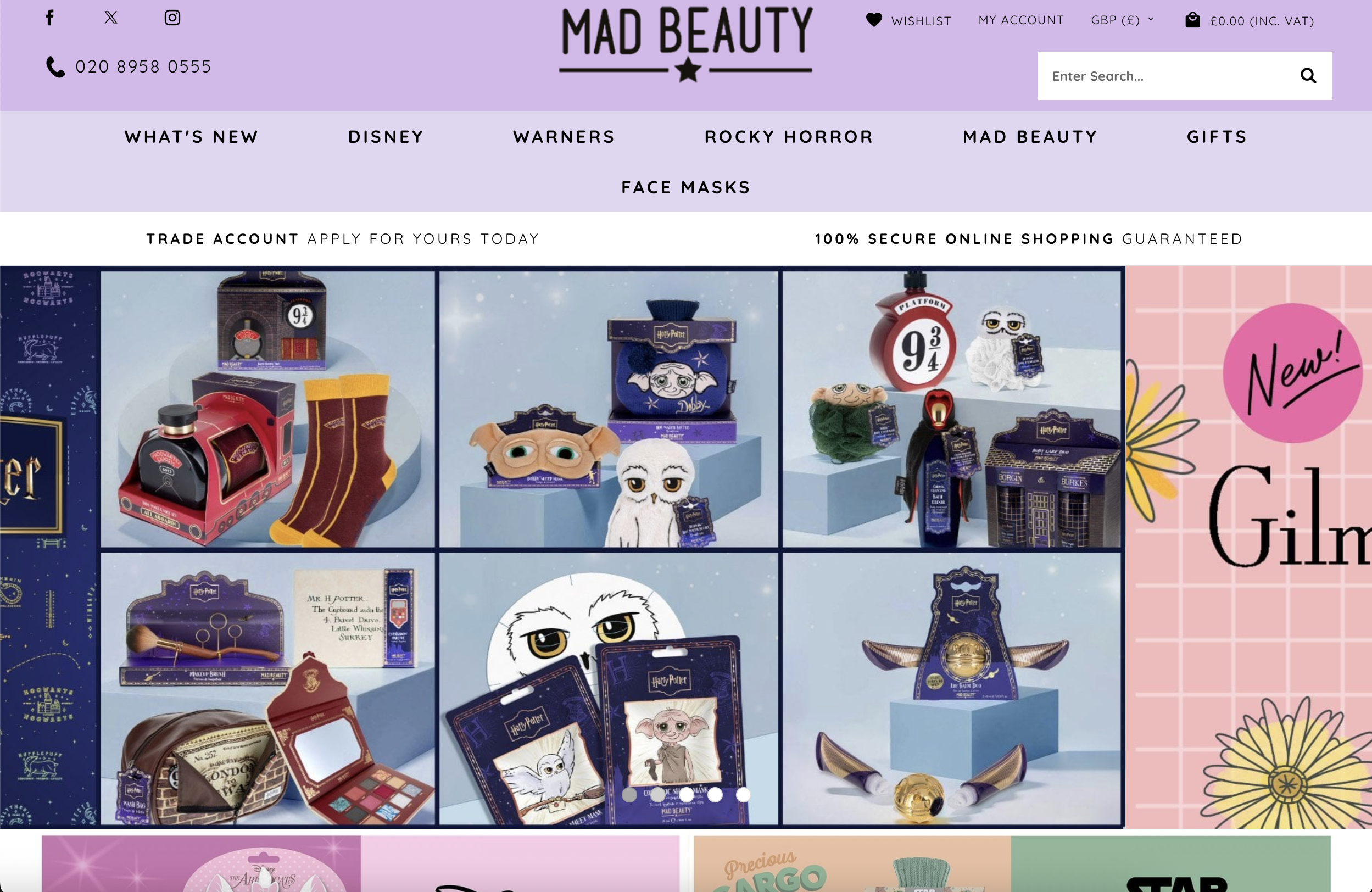
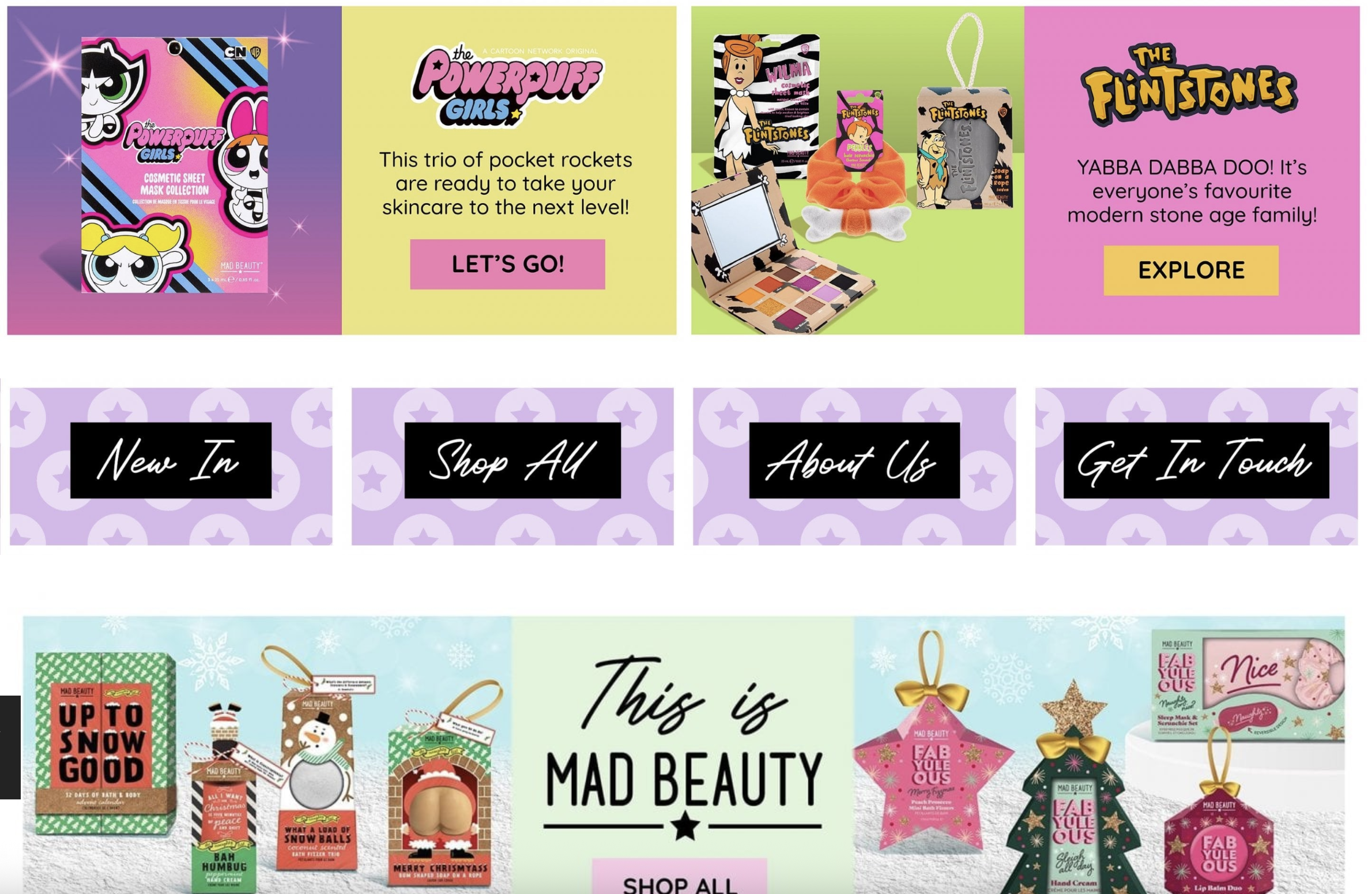
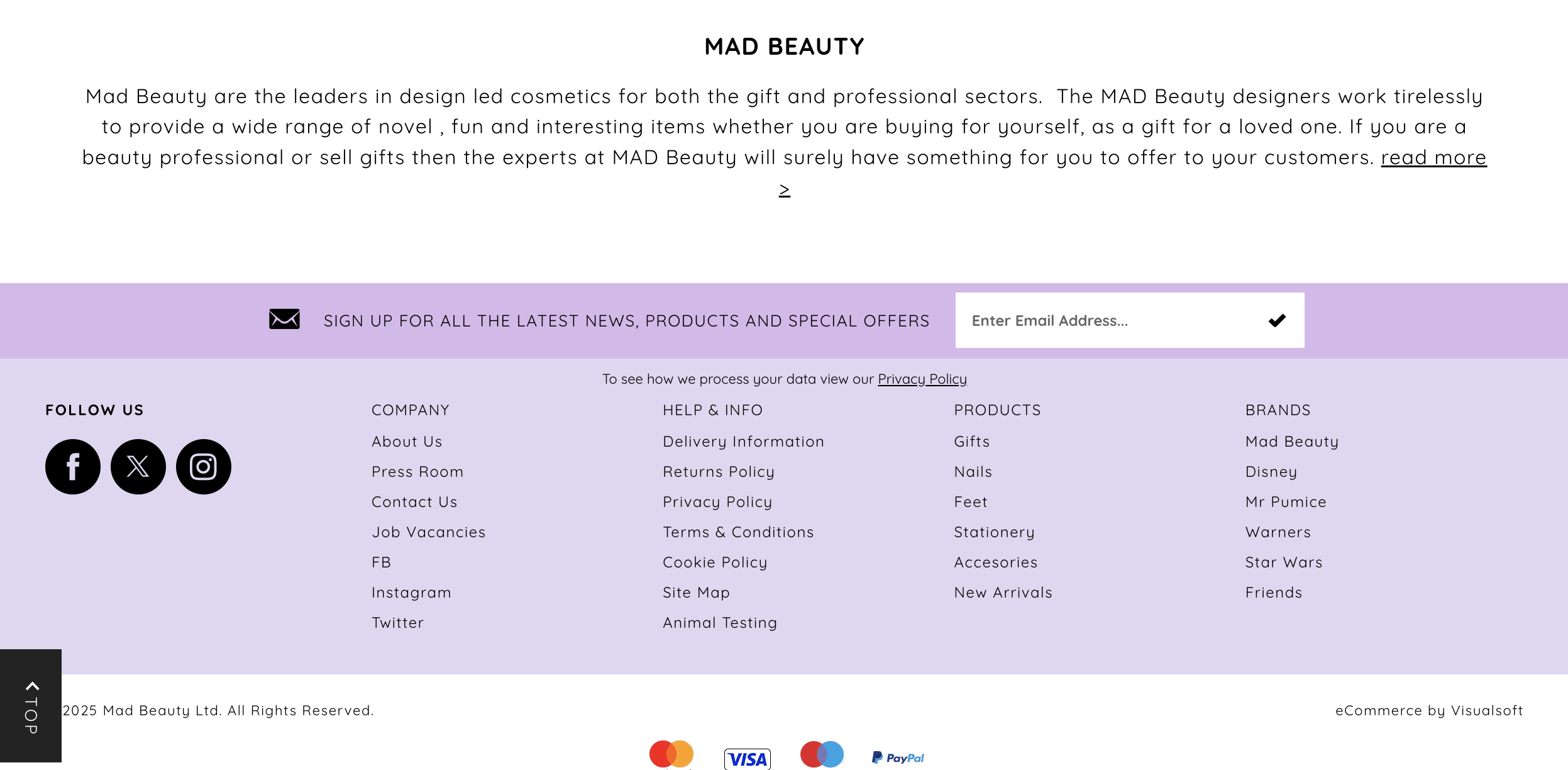
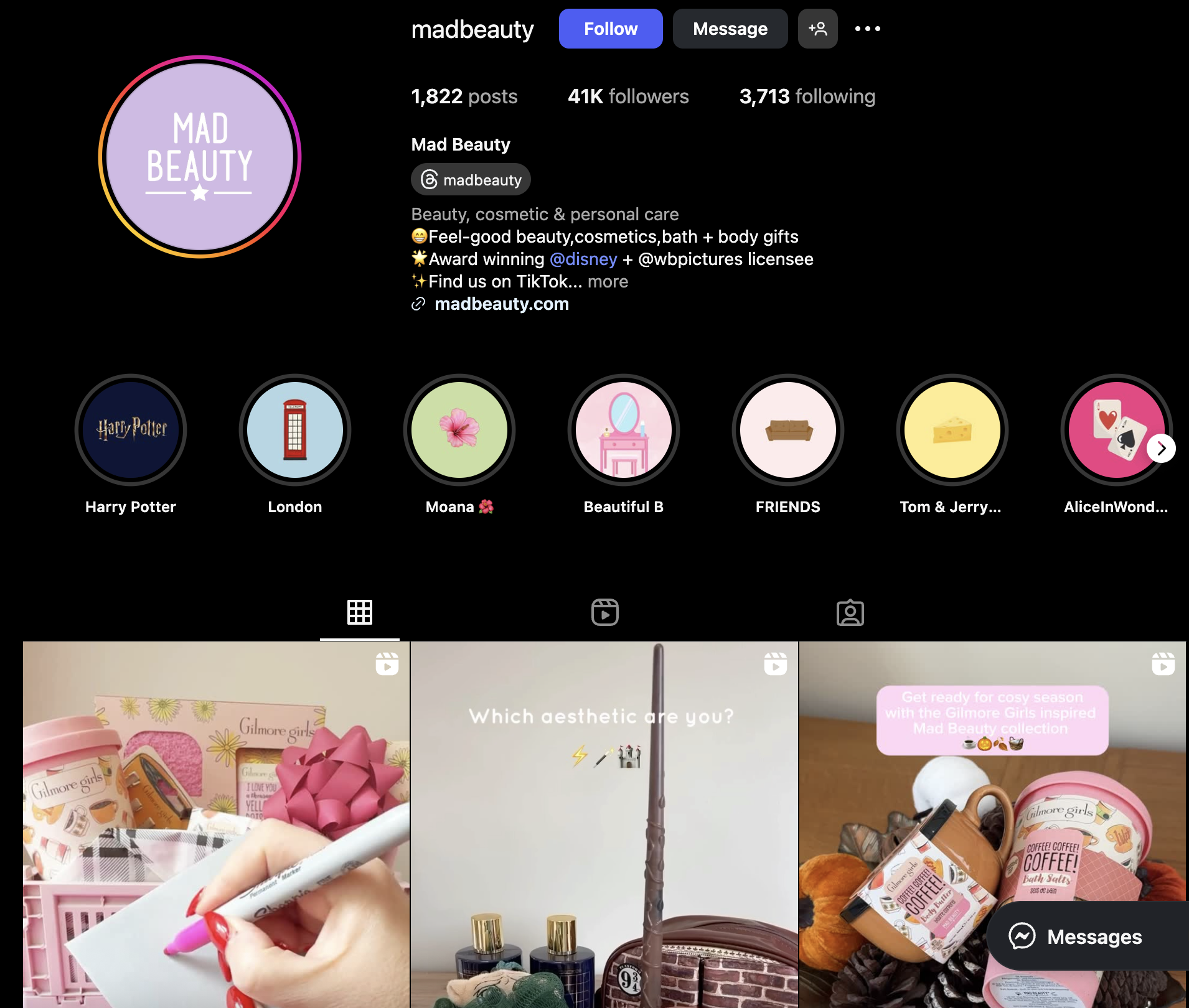
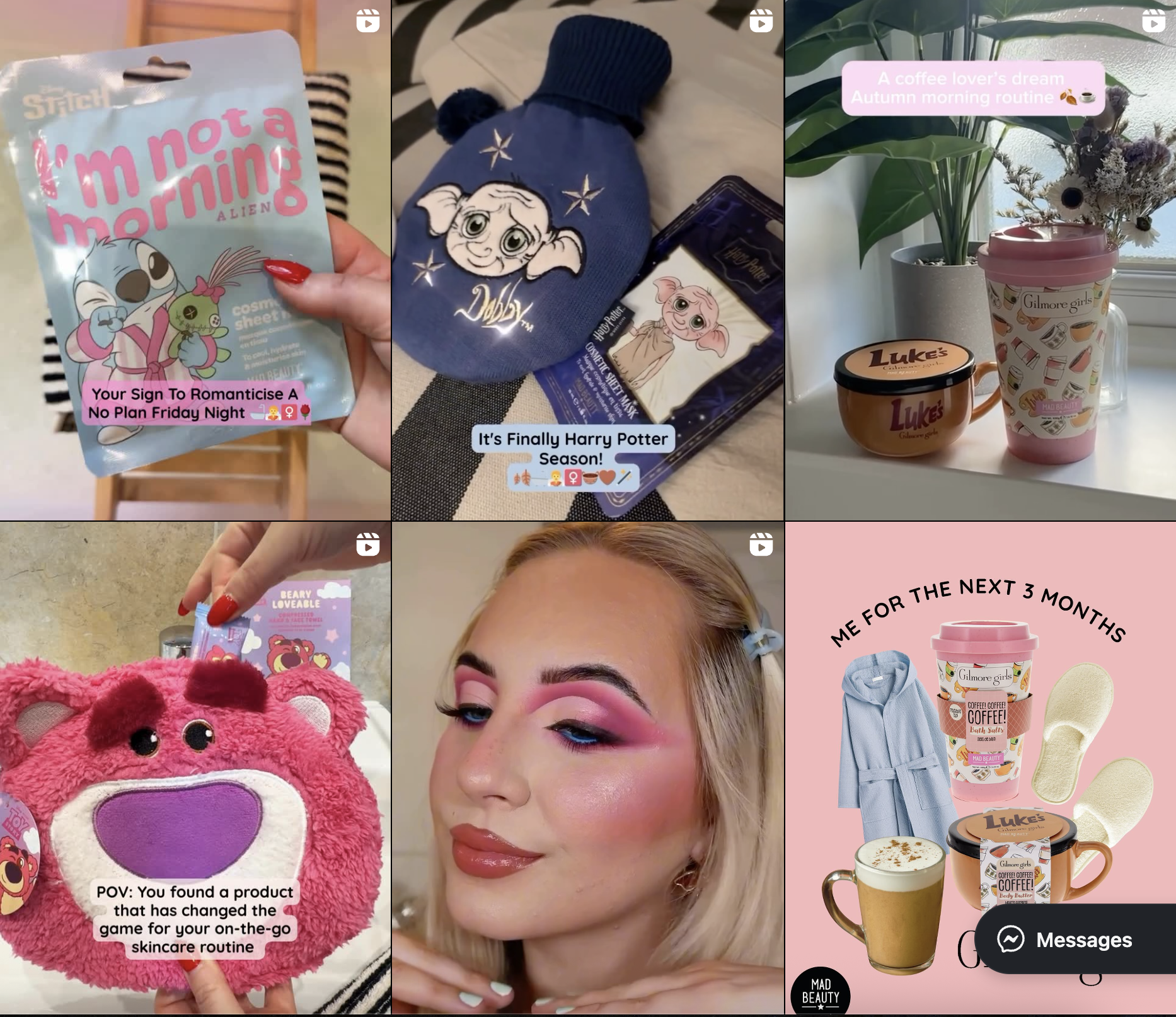
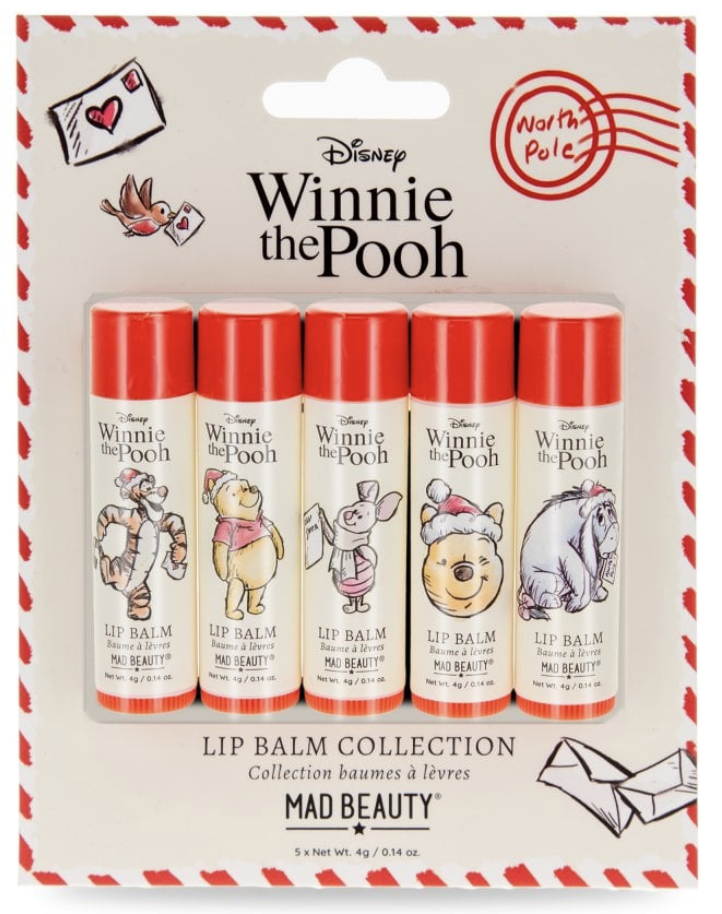
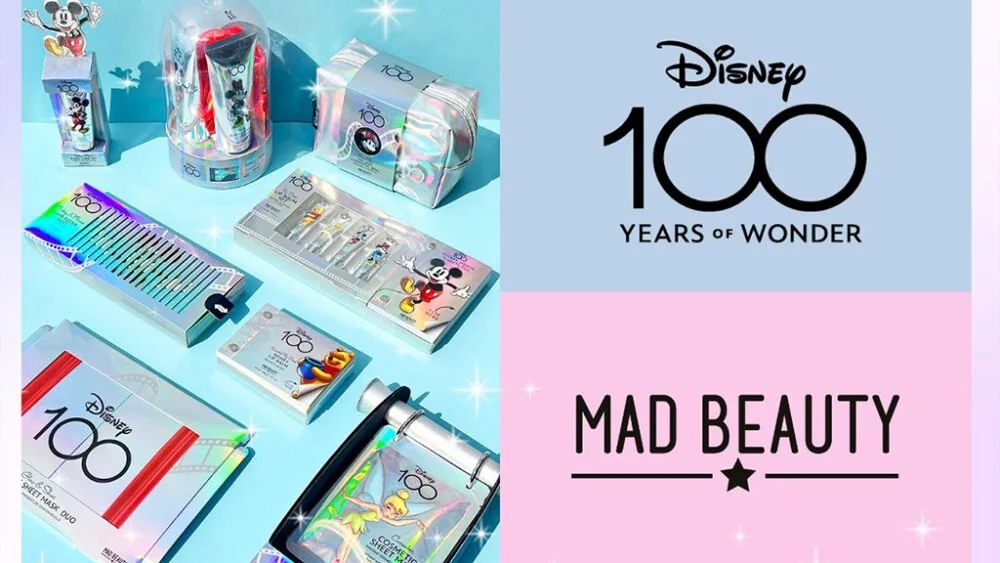
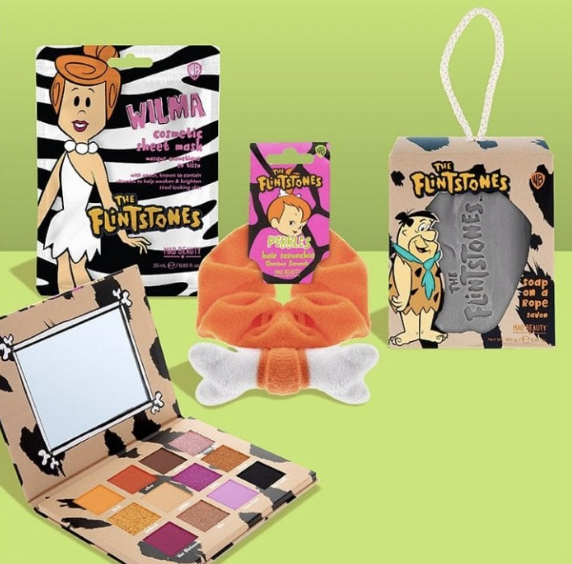
In this competitive audit, one of the five licensing brands I chose included Mad Beauty, along with PacSun and Cavity Colors et al. Here’s everything I found out about Mad Beauty:
Positioning: passion, creating feel good self-care and gifting experiences that capture the imagination of beauty lovers worldwide, allowing them to connect with their favourite brands, express their personality or share memorable feel-good moments with their loved ones.
Values: Feel Good, Creative Spirit, Respect & Commitment, Care & Kindness
Products:
Gifts
Nails
Feet
Stationary
Accessories
Face Masks
Brands: Disney, Mr. Pumice, Warners, Star Wars, Friends, HP, Flinstones, Powerpuff et al
Motto: design-led, playful and innovative products across bath, body and beauty!
Serious about making cosmetics fun!
Logo
Site
HX
Typology is categorization.
My figurine was
5 thousand years
in the making.

How can it elicit feelings and solve problems for a new audience?
Rey Ortíz
New Target Audience
an independent Caribbean fashion designer in his 50s who plays video games…
Pain point: create brand awareness and get better tools.
Insight: whatever the figurine transforms into, it needs to solve this pain point while keeping essential properties of the figurine.
Age 46
Gender Male
Ethnicity Puerto Rican
Income 100K
Education SCAD
Religion Non-
Practicing CatholicOccupation
Fashion DesignerResides
West HollywoodBehaviors Daily coffee, shopping sprees, browses fabric, aspirational home shopping
Demographics
Psychographics
Hobbies Mobile Games, reading, walking
Life goals Internat’l biz, hire full time staff, corporate buyout, buy home for parents
Values Hard work, creating, family
Beliefs Hard work pays off, make space for LGBTQ+
Lifestyle Active, drinks socially, coffee/dinner w/friends 2 times a week, 2nd run movies on Sunday
Pain points Create website, brand awareness, take on large orders, better tools and workflows
Objects are
transformed via
metamorphosis.
Break down the object’s attributes:
physical
functional
sociocultural
emotional & psychological
1
Establish the macro and micro trend environment:
societal
technological
economic
behavioral
attitudinal
cultural
2
3
Create a grid with the attributes on one axis and the trends on another, and think about leveraging this matrix with a variety of criteria. Some of the core elements I wanted to retain were the fact that the figurine stands as seen through an established eCommerce trend:
13 attributes
6 trends
78 intersections
The metamorphosis grid.
x = trends.
y = attributes.
Need &
Opportunity:
community + connections
integrated digital tools
y
x
regular updates
deals & durability
mobile & gamification
multimodal
Pigmented Plastic
Immigration
Figurine
Ecommerce
Support & Control
Nostalgia & Joy
Impulse
Shifting Roles/Opps
Homeland
Devastation
Smooth & Lustrous
3” x 1” (1:24)
Always
Online
Mini Collectible
Collecting / Play
Smart
Tech
Standing
Communal
Upcycling
Accomplishment
Totemic
Familiarity
Neoculture
Multimaterial
New + Old
Fusion
MMO
Home Good
MTX
Endemic
Target Genre
Gig Work
Next-Gen
Crafted
Multiplayer
Archival
Skin Pack
Miniature
Game Socials
Higher Ed
Simulators
Multimodal
Completion
3D Printed
Alien Avatars
Avatars
Phygital
Excellence
Mass-Market
Microbots
Latest Tech
Detailed
Mini Tech
AR Keepsake
Fusion
Gamification
The Cloud
MR
Tech as Art
Social
Interbrand
Digitized
Customized
Mobile Cal
Warranties
ASMR
Dig Storage
Click to Buy
Latest Tech
Learning App
Asexual
Reduce/use
Plasticity
Indicator
Functionality
Stress Relief
Ergonomic
Sentimental
Multitool
Distraction
Fragment
Thrifted
Objet d’art
Volunteering
Sustainable biz & savings
Found Art
LFL
Activism
Tailor
Connection
Bee Box
Arborism
Garden
Cooking
Fixer Upper
Physicality
Scholarship
2nd Screens
Ultra UX
Metamorphosis
is powered by
“how might we”
statements.
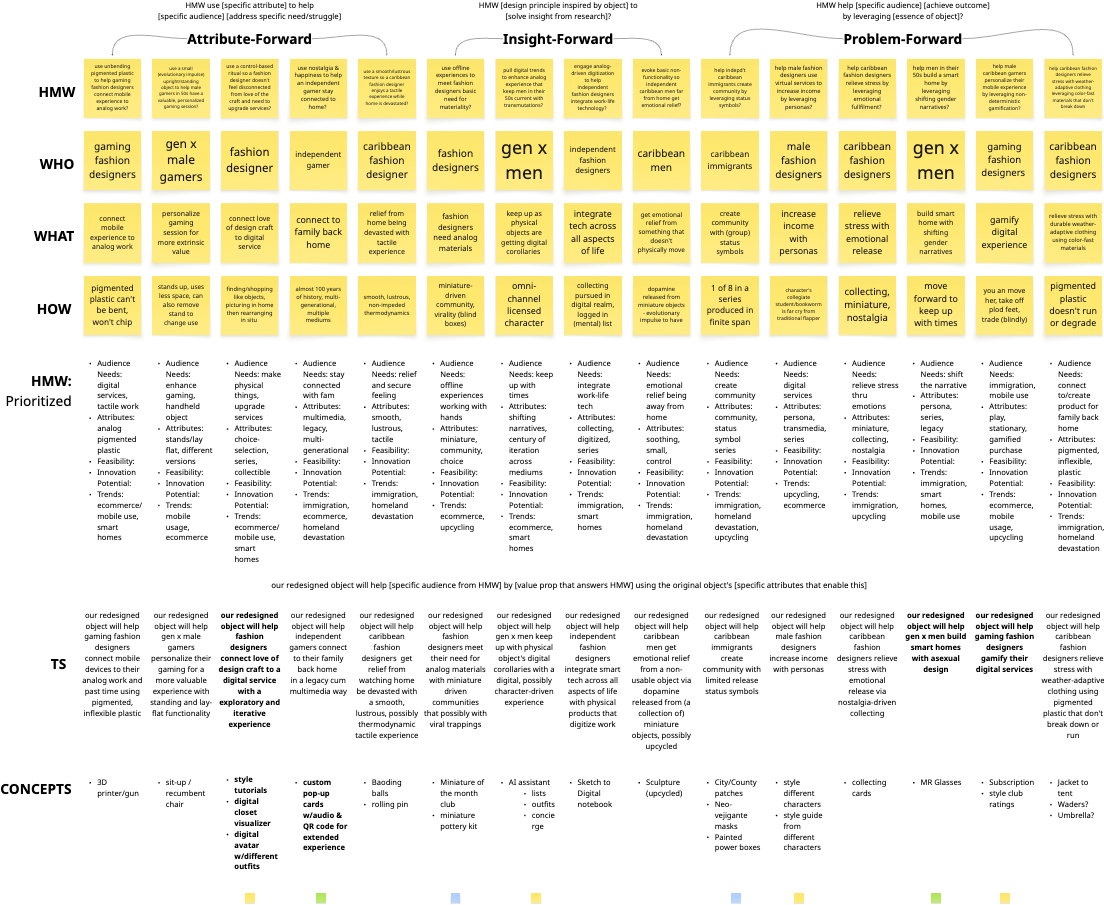
The formulas for generating strategically sound ideas that help someone or solve something. For example, how might we use nostalgia & happiness to help an independent gamer stay connected to home?
Leading with either attributes, insights or problems, I generated 15 how might we’s and condensed those into a few concepts that:
used at least 3 core attributes from original object
solved specific needs
connected to at least 2 trends
fit into actual life context
translated core value
So, how did I transform a vintage '80s Betty Boop figurine into an AR pop-up card?
Design research and strategic frameworks. My brand strategy toolkit is decidedly more empathetic now, and I look forward to applying this framework to transforming creative strategy.
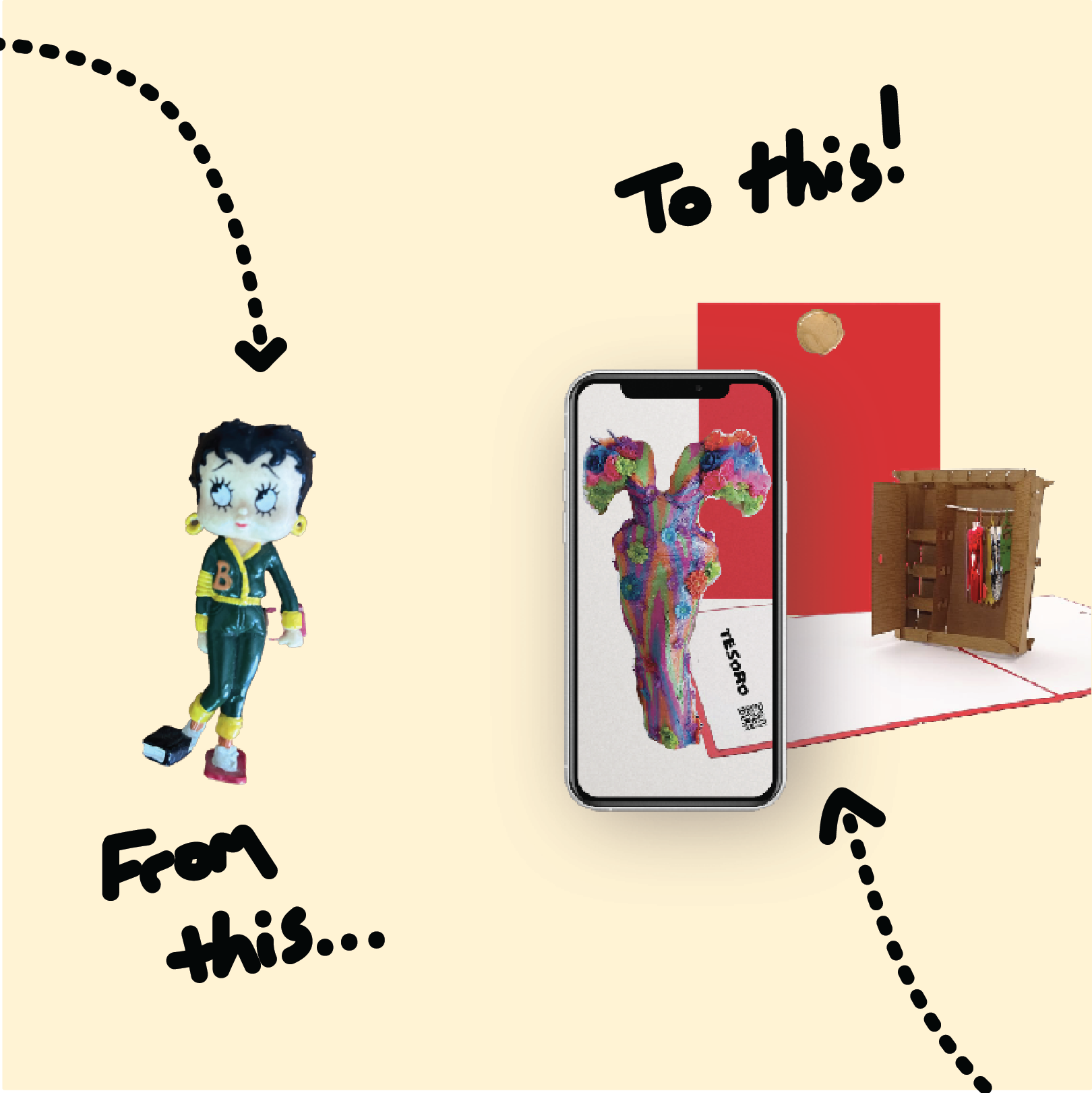
Care-boxes with miniatures and an AI concierge just weren’t delivering on all the strategy I had developed over the last few months. But an augmented reality pop up card both transmuted the original figurine and solved the needs of my new target audience. It could help him grow his business and expand his digital presence, let him design and create things with his hands, and it was in line with eCommerce and immigration trends.